The recipient’s written requirements are more useful than a generic request for an “official translation.” Start there.
Name the recipient and the purpose
A school, court, consulate and immigration agency may ask for different formats or certifications. Tell the translator who will receive the translation, the destination country and the stated requirements. Ask the recipient whether it needs translator certification, a notarized translator statement or another format.
For USCIS submissions, the regulation calls for a full English translation with the translator’s certification of completeness, accuracy and competence. That rule should not be generalized to every institution or country.
Send the whole record through the agreed channel
Count all pages, including backs, seals, handwritten notes and attachments. A cropped phone photo may leave out a detail that matters. Start your quote request with the language pair, document type, page count and deadline; ask for secure transfer instructions before providing personal records.
If a word is unreadable or a name differs between records, flag it. A translator should not silently invent missing information or rewrite an official record to make it match another document.
Separate the services and delivery
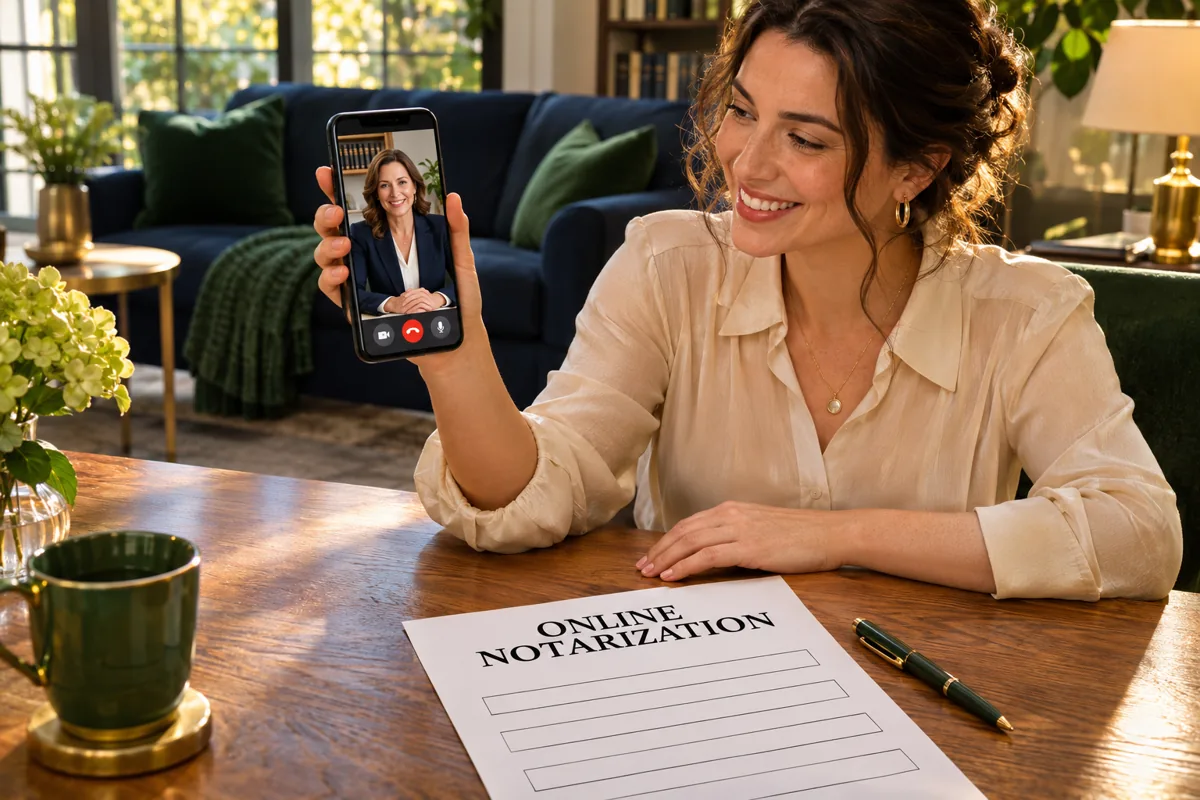
Translation transfers meaning between languages. Notarization of a translator’s statement addresses a notarial act; it does not make the notary the translator or certify every translated word. Authentication or apostille, when required, is another step.
Confirm the final file format, whether a physical copy is required, what certification is included and how corrections are handled. The receiving institution decides whether the submission satisfies its requirements.
Before the next step.
Check each item as you prepare. This list is not an eligibility decision.
0 / 5 prepared
Sources & scope
Sources consulted November 7, 2026. This guide provides general information, not individual legal advice. Verify current requirements with the official authority or your attorney.